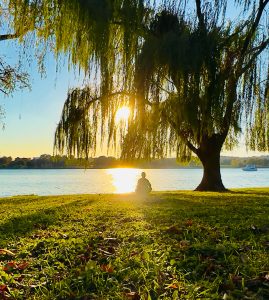

 As we begin to navigate a transition, we may come to feel like we’re struggling to implement or support our emerging lives. This is where development comes in. By definition, transitions are developmental—there’s a new situation, a new pattern, a new emotional domain, a new context. Moving through this phase requires insight, practice, and patience while setting appropriate, attainable steps to satisfy our needs and goals.
During times of transition, much of what came before feels like it just won’t work. This is perfectly normal—everything has a fruitful season and a dormant season. I will work with you to honor and understand what has come before, identify what is shifting, explore what supports you need, and develop and implement goals in the direction of your growth. This is practical and outward-focused, but it also becomes interior when we begin to work with beliefs, emotions, values, blocks, identities, and reshaping energetic patterns.
I view this as sacred work, because these times beckon us to discern the deeper call in our spirit and begin the next chapter in our lives. I also believe modern society doesn’t sufficiently recognize, appreciate, or support these moments. All too often, we feel alone in navigating these waters.
I am here with you. Let’s work together in partnership to know and be known, to find the right way forward, and to unlock confidence in the next steps of our lives and spirit.

For much of my life I was interested in interior space, that of the mind, creativity, and spirit. People naturally opened up to me, feeling an ease to share their inner mind, perhaps sensing an opportunity to reconnect to their deeper selves and to feel known. It was only natural that I earned a degree in psychology. However, I chose not to further pursue that avenue because I didn’t intuitively agree with the modality. Its ‘treat the disease’ notion seemed like something was fundamentally missing. Second, I became intensely interested in spirituality, finding this to be the culminating expression of my ‘look within’ inclination in life, even more so than psychology.
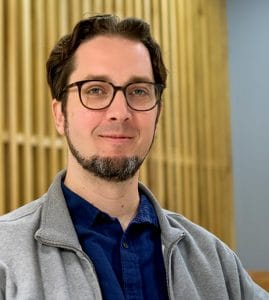 Luckily, years later I discovered ITTC, a school that enabled me to develop my natural counseling inclination and ability while seating it in the more positive, uplifting form of interaction called coaching. Something was re-awakened within me. Not only were tools, methods, and resonant training now available, but my particular educational path allowed and encouraged integration of these techniques along with my spiritual training, placing value in Buddhist teachings, meditation, prayer, and communion with Higher Spirit and self.
“Coaching is about the re-empowerment of the client.“
Nowadays, I am clear that the what and the how of coaching are very much on-point, even evolutionary. I came to understand that coaching is about the re-empowerment of the client, and I saw how this looks, feels, and happens. In so many ways, this type of support—in terms of energy, style, and method—has been missing in life for so many of us, and acts like water to the soul when experienced directly.
Interestingly, the word coach itself is a bit narrow for my preference. Other nouns that fit the role of a coach may be advocate, cheerleader, friend, protector, thinking partner, and accountability partner. Some coaches also include other modalities that suit their interests and abilities, such as healing, shamanism, body work, depth psychology, or priest work. However, it is important to recognize that coaching at its core is about assisting and empowering the client to develop along their life path. Other modalities can be included, but it is not a requirement. Likewise, coaches are not therapists, advisors, or consultants, although they may have certain subject matter expertise. Finally, while it is challenging for me to find the precise name for the role, other qualities such as presence, compassion, understanding, support, structured thinking, accountability, insight, and follow-up can serve to round out the description.
When we discover what it means to thrive, and how to support others to find their own vision, voice, power, and peace, there is no greater service. This is what I find coaching can offer. It doesn’t mean the transformative path is always smooth, but the framework and methods are here for our growth and fulfillment. They can take us as far as we want to go.